About
I have spent much of my professional life trying to make organizations work better.
Most of that work has happened in operations — where what an organization intends to do has to become what it actually does.
I started my career in quality and continuous improvement in manufacturing. Then came processes, management, technology, transformation, and ten years building and operating a company. The contexts and problems changed. But one thing remained: I was almost always trying to understand why something wasn’t working as it should — and what needed to change for it to work.
I was taught that the answer was mostly in the tools.
I redesigned processes, created metrics and systems, defined responsibilities and incentives, all within an endless PDCA cycle. And all of that matters. I saw meaningful change happen because of that work.
But I also began to see its limits.
Not every problem that shows up in operations originates in operations.
A company can have efficient processes and a strategy pointing in another direction. It can build a strong culture around behaviors that no longer serve what it needs to deliver. It can have excellent people, good systems, and the right metrics and still produce friction, waste, and contradiction.
An organization can continuously improve its parts and still move further away from what it intends to be.
It was in trying to understand this gap that I began thinking about organizational coherence.
The idea is still taking shape, but it starts with a relatively simple question: what happens between what an organization intends to be, how it organizes itself to realize that intention, and what it is ultimately able to deliver?
The Coherence Project was created to investigate that question.
The essays are where I organize concepts and develop the argument. The journal records observations, questions, decisions, and shifts in understanding as they happen. And some projects become laboratories: real situations where these ideas encounter markets, people, money, constraints, and consequences.
That last part is especially important to me.
I don’t want to build a theory of organizations by observing them only from the outside. I want to understand what happens when an idea has to survive everyday work — when it encounters deadlines, customers, mistakes, improvisation, conflict, and reality.
The project is therefore a continuation of the work I have been doing for years — but also a change in how I do it.
I am still trying to understand how organizations work.
The difference is that now the investigation is open.
A little about me
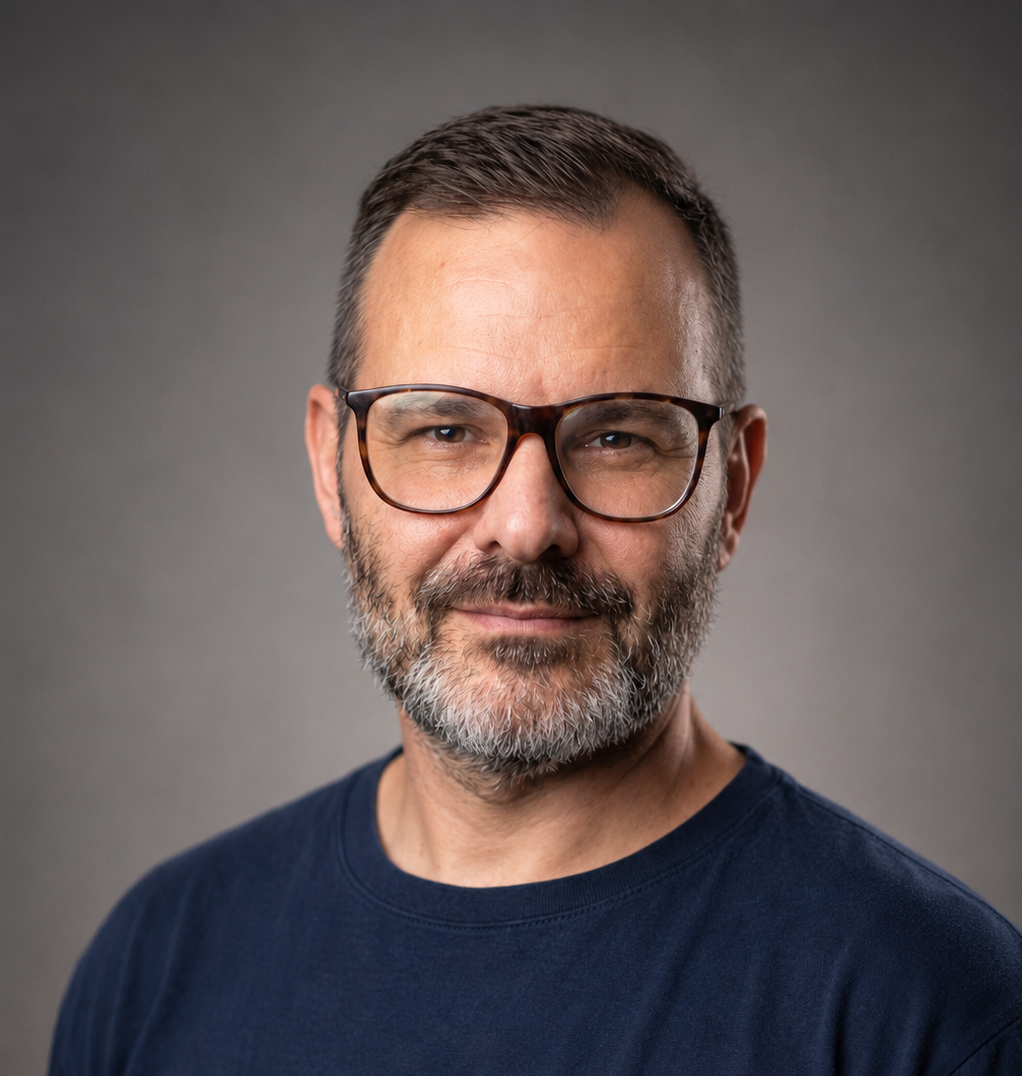
I work across operations, transformation, and product. I started my career in manufacturing, working with quality and continuous improvement, and since then have worked in very different contexts — from the factory floor and process management to technology, consulting, and entrepreneurship.
For ten years, I built and operated Não de Queijo, a food company that started in the kitchen and led me to work across product, production, retail, technology, and food inclusion.
I like understanding how things work, why they stop working, and what happens when we try to change them. Perhaps that is the thread connecting the different kinds of work I have done — and what brought me here.
Contact
If you’d like to talk about the project, research, or work, you can find me here: